I build MVPs to answer questions. Not ship features.
My job isn't to write as much code as possible. It's to help founders make fewer irreversible mistakes.
How I think about building products and working with founders.
I work mostly with non-technical founders building their first product. Over the years, I've seen the same pattern: founders start with a clear idea, then get lost in feature lists, technical complexity, and the pressure to build something impressive.
That's why I optimize for clarity before code. Every feature we don't build is time and money saved. Every assumption we test early is a mistake we avoid later. My goal is to help you build the smallest version of your idea that still provides real value — so you can learn what actually matters before you've spent everything.
What I believe about early products
MVPs exist to test assumptions, not impress investors
The goal is validation, not features. Every line of code should answer a question about your business.
Speed without direction is just expensive motion
Moving fast only matters if you're moving toward the right outcome. I'd rather go slow and build the right thing.
Scope is the biggest risk in early products
Most MVP failures are scope failures. Too many features, too much complexity, too little focus on what actually matters.
Most technical debt is decision debt
Bad code is usually a symptom of unclear decisions. Fix the decisions first, then the code becomes easier.
Founders deserve to understand what's being built
You shouldn't need a technical background to know what your product does or why certain choices were made.
A calm process beats heroic effort
Sustainable progress is better than burnout. I optimize for steady, predictable work over late-night sprints.
Trust is more valuable than velocity
I'd rather push back on a bad idea than build it quickly. Honest feedback saves more time than fast execution.
What this means when we work together
I'll push back on features
I'll ask uncomfortable product questions
I'll explain tradeoffs in plain language
I'll prioritize boring reliability over cleverness
I'll say 'no' more than most developers
I'll optimize for what helps you decide what to do next
Who this tends to work best for
This approach tends to work best for:
First-time founders
Non-technical teams
People who value clarity over speed
Founders who want a partner, not an order-taker
Not for:
Feature factories
Pure outsourcing mindset
Founders who want to disappear and return to a finished product
"Clearer scope and priorities... avoided building the wrong thing... a thinking partner, not just someone who writes code."
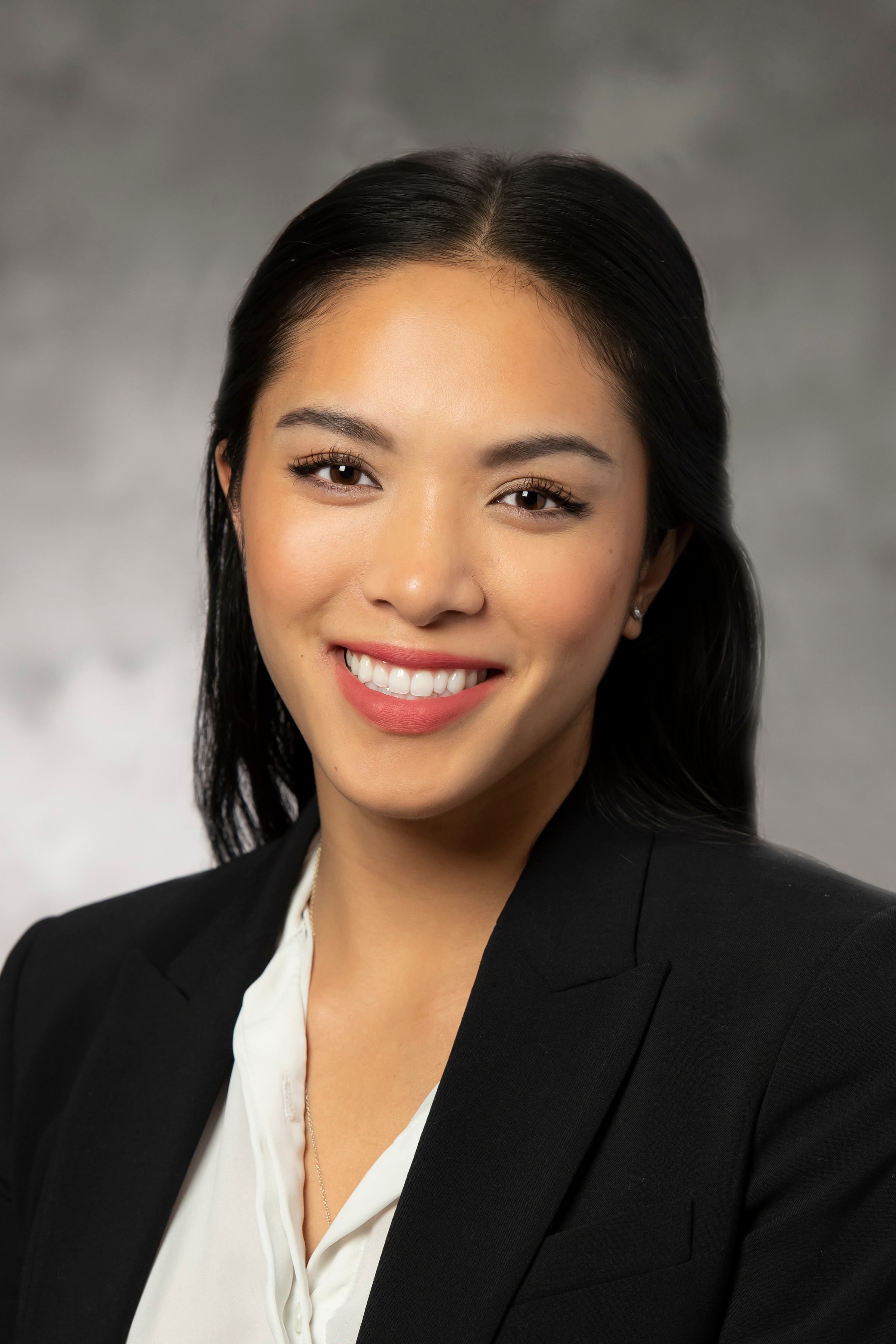
Vanessa Tang
Co-founder, beau
"He fixed what other developers broke. Kyle delivered when others failed, and he actually listened to what I needed."
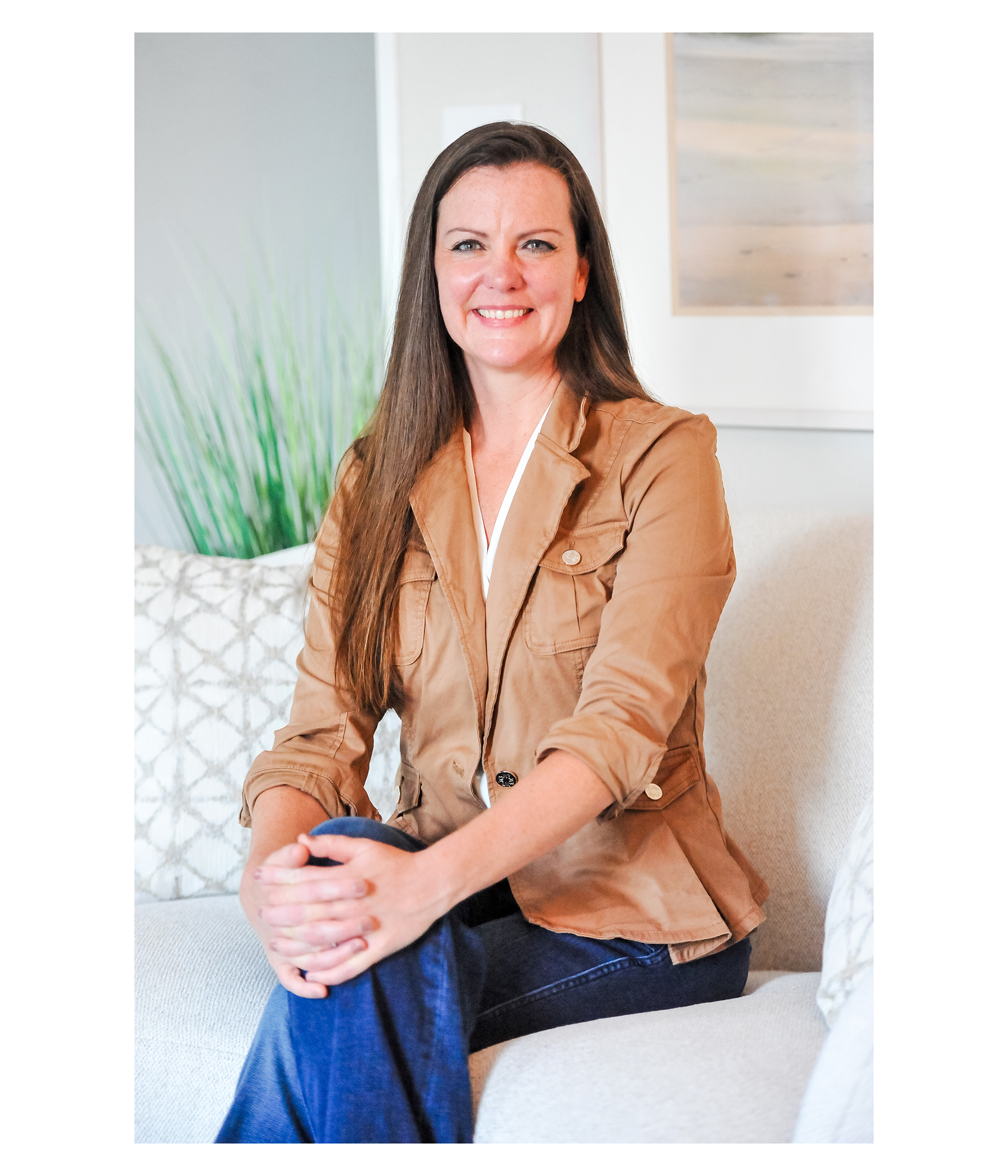
Melanie Obitz-Bukartek
Founder, College Essay App
My role
I'm not a cofounder.
I'm not an agency.
I'm not a freelancer for hire.
I'm a technical partner whose job is to reduce uncertainty early and prevent expensive mistakes.
If this way of working resonates, you can see how I help founders here:
Or book a call if you want to talk.